Why Soil Investigation Is the Backbone of Every Successful Construction Project
Every strong structure begins with a strong foundation, and that foundation depends entirely on the quality of the soil beneath it. Soil investigation is one of the most critical steps in any construction project, yet it is often overlooked or underestimated.
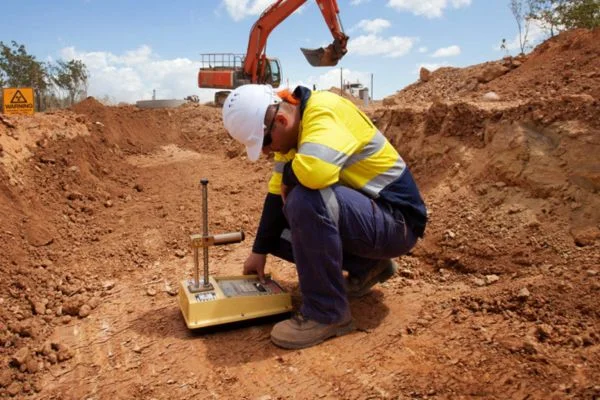
Soil investigation involves analyzing the physical and mechanical properties of soil to determine its suitability for construction. This includes testing parameters such as bearing capacity, moisture content, density, and shear strength. These factors play a vital role in designing safe and durable foundations.
In India, where soil conditions vary significantly from region to region, soil investigation becomes even more important. From black cotton soil in Maharashtra to sandy soil in Rajasthan and clayey soil in coastal regions, each type requires a different approach to foundation design.
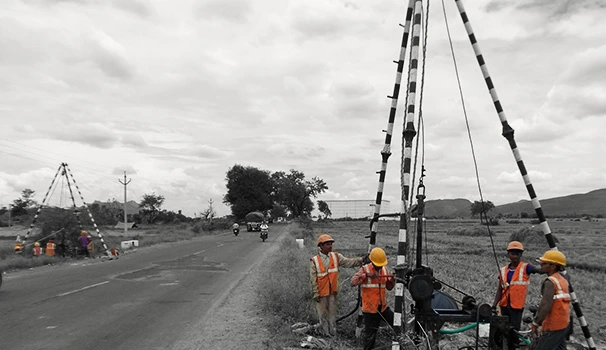
One of the primary methods used in soil investigation is borehole drilling. Engineers collect soil samples from different depths and analyze them in laboratories. Tests such as the Standard Penetration Test (SPT) provide valuable data about soil strength and stability.
Ignoring soil investigation can lead to serious consequences, including structural failures, cracks, and uneven settlement. Many buildings and infrastructure failures in the past have been linked to poor understanding of soil conditions.
Proper soil investigation helps in selecting the right type of foundation—whether it is shallow foundation, pile foundation, or raft foundation. It also helps in optimizing construction costs by avoiding overdesign or underdesign.
Another important benefit is risk mitigation. By identifying potential issues such as weak soil layers or groundwater conditions early, engineers can take preventive measures and avoid costly repairs in the future.
Soil investigation is also essential for compliance with building codes and regulations. Most authorities require geotechnical reports before approving construction projects.
With advancements in technology, soil testing has become more accurate and efficient. Modern equipment and software allow engineers to analyze data quickly and make informed decisions.
In conclusion, soil investigation is not just a preliminary step—it is the backbone of every successful construction project. Investing in proper soil analysis ensures safety, durability, and cost efficiency, making it an indispensable part of engineering.